EN

Dickie Toys had been successful for decades – primarily through broad distribution in brick-and-mortar retail and impulse purchases at the point of sale. While the brand was well known, its positioning was unclear and lacked emotional depth. Many consumers bought individual products without consciously associating them with the brand. At the same time, the retail landscape was changing rapidly: online purchases increased, target groups researched digitally, and brands were searched for more deliberately. This created a strategic risk for marketing and sales leaders: a high dependence on retail combined with low brand differentiation in the minds of end consumers.
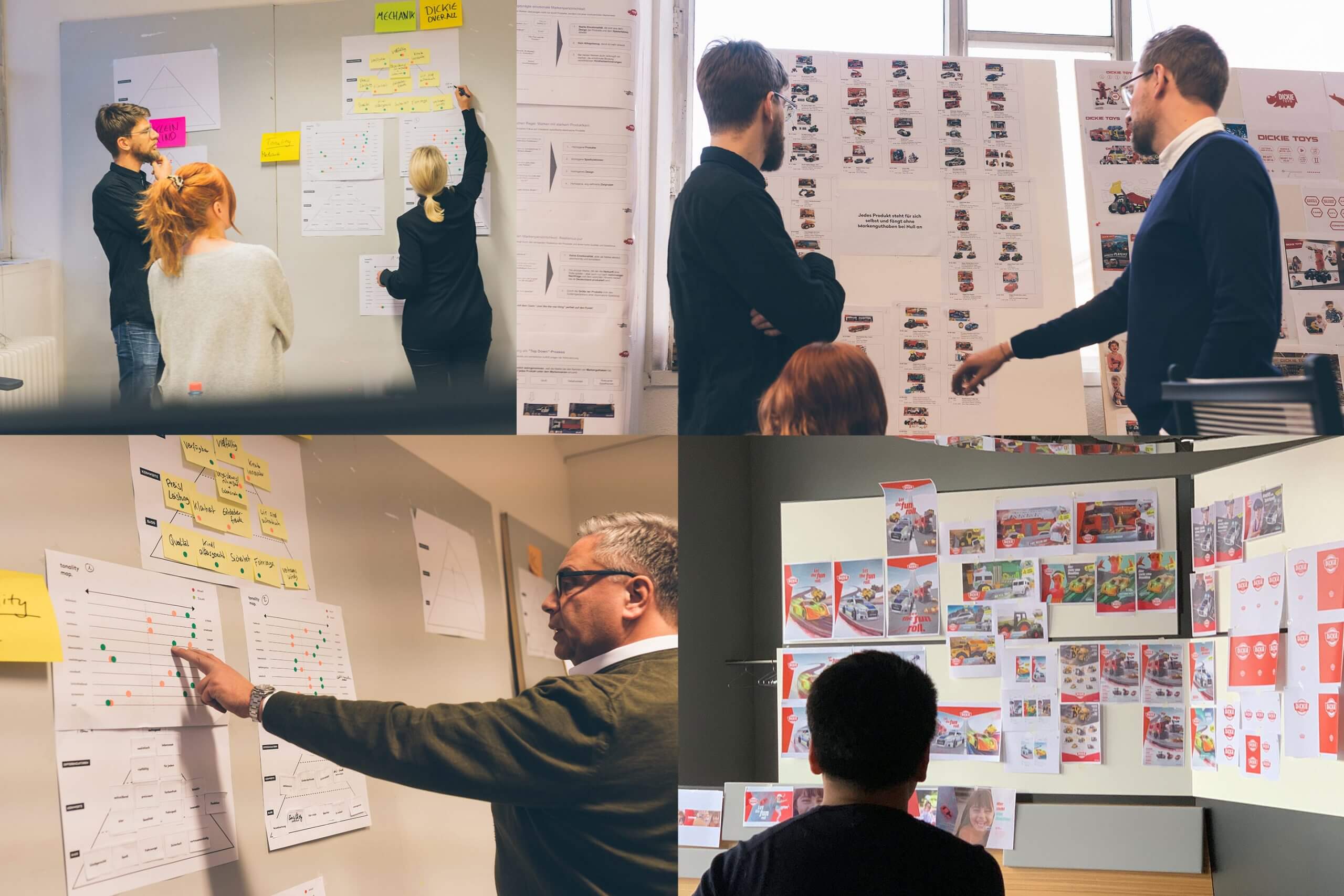
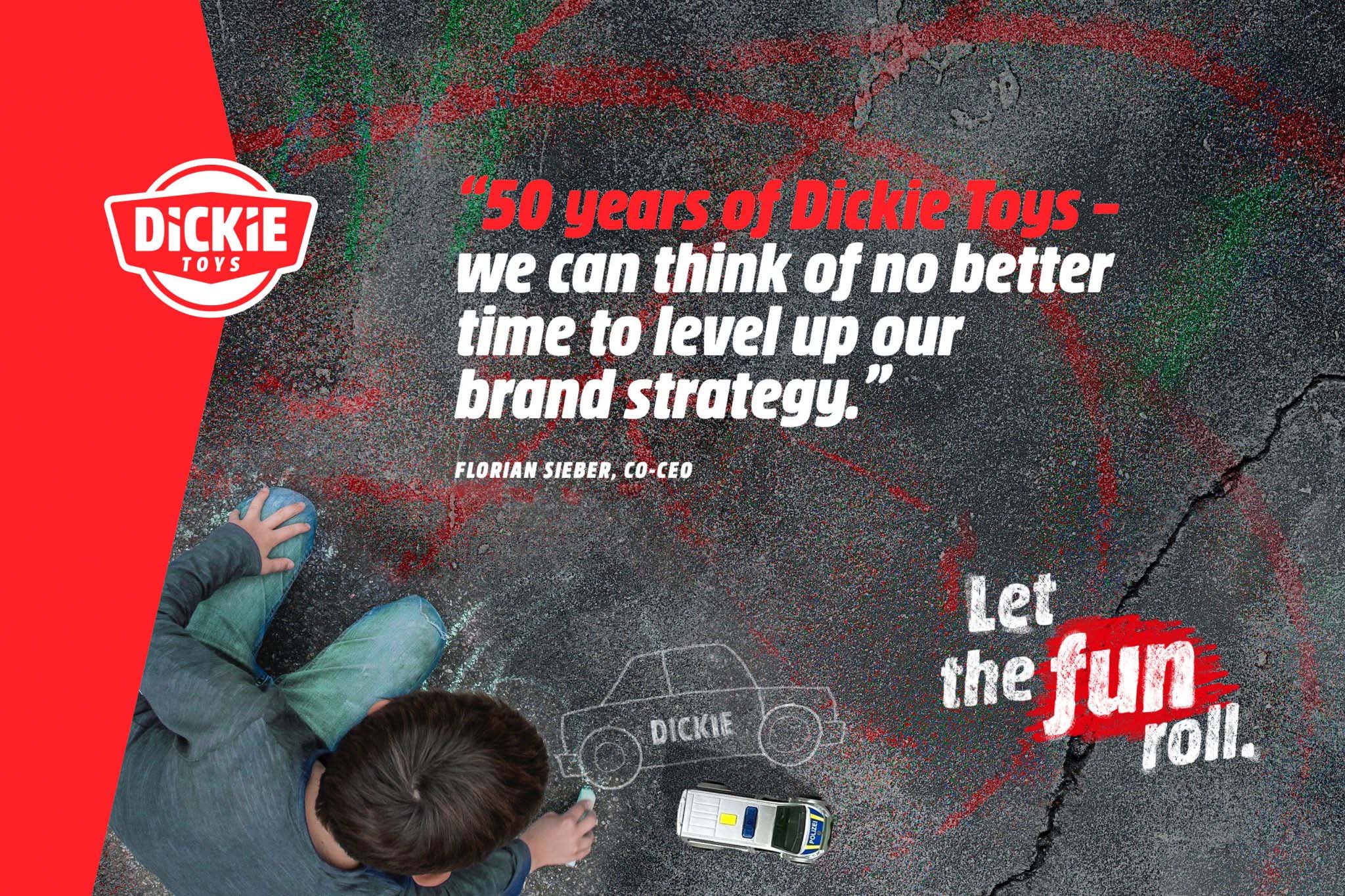
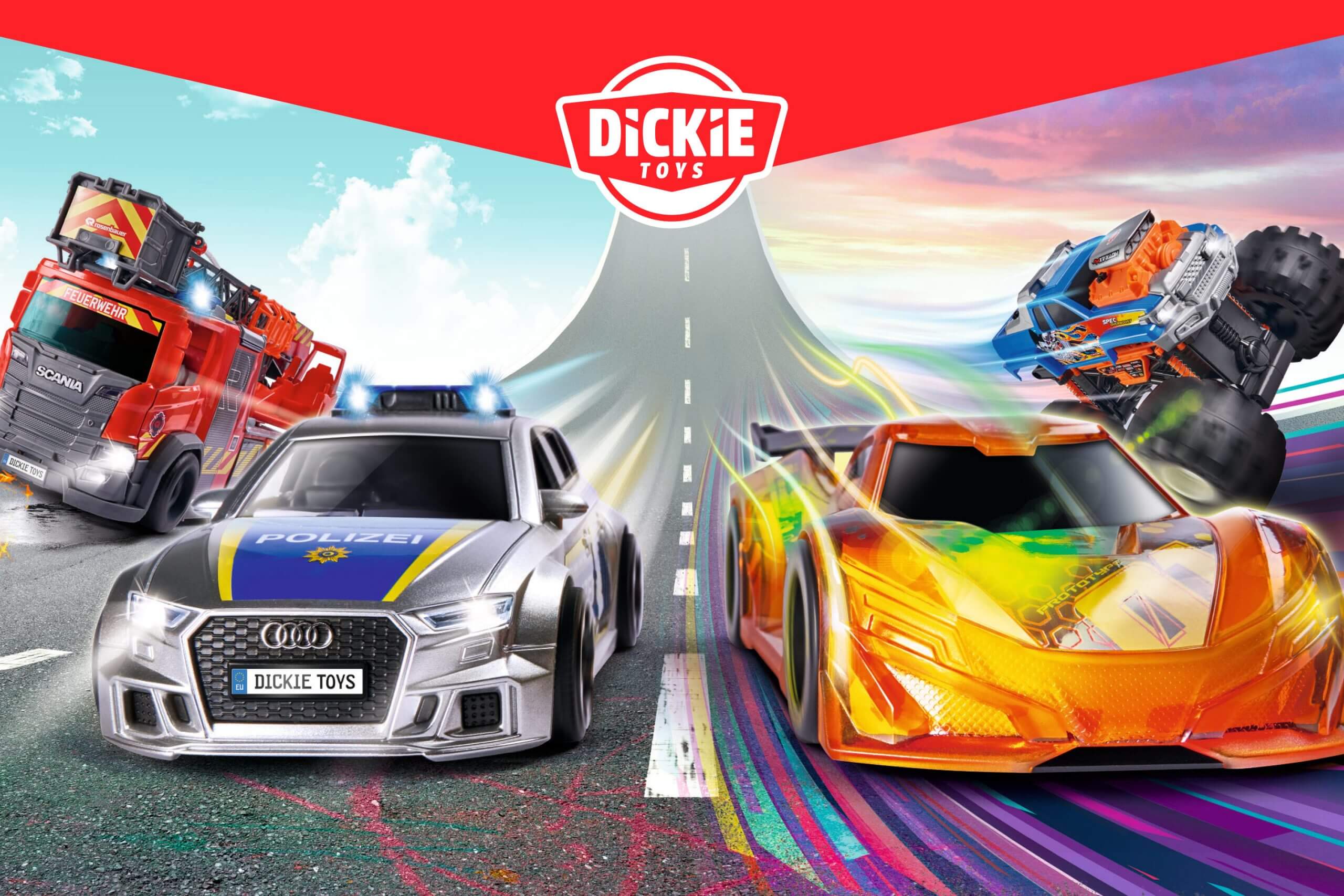
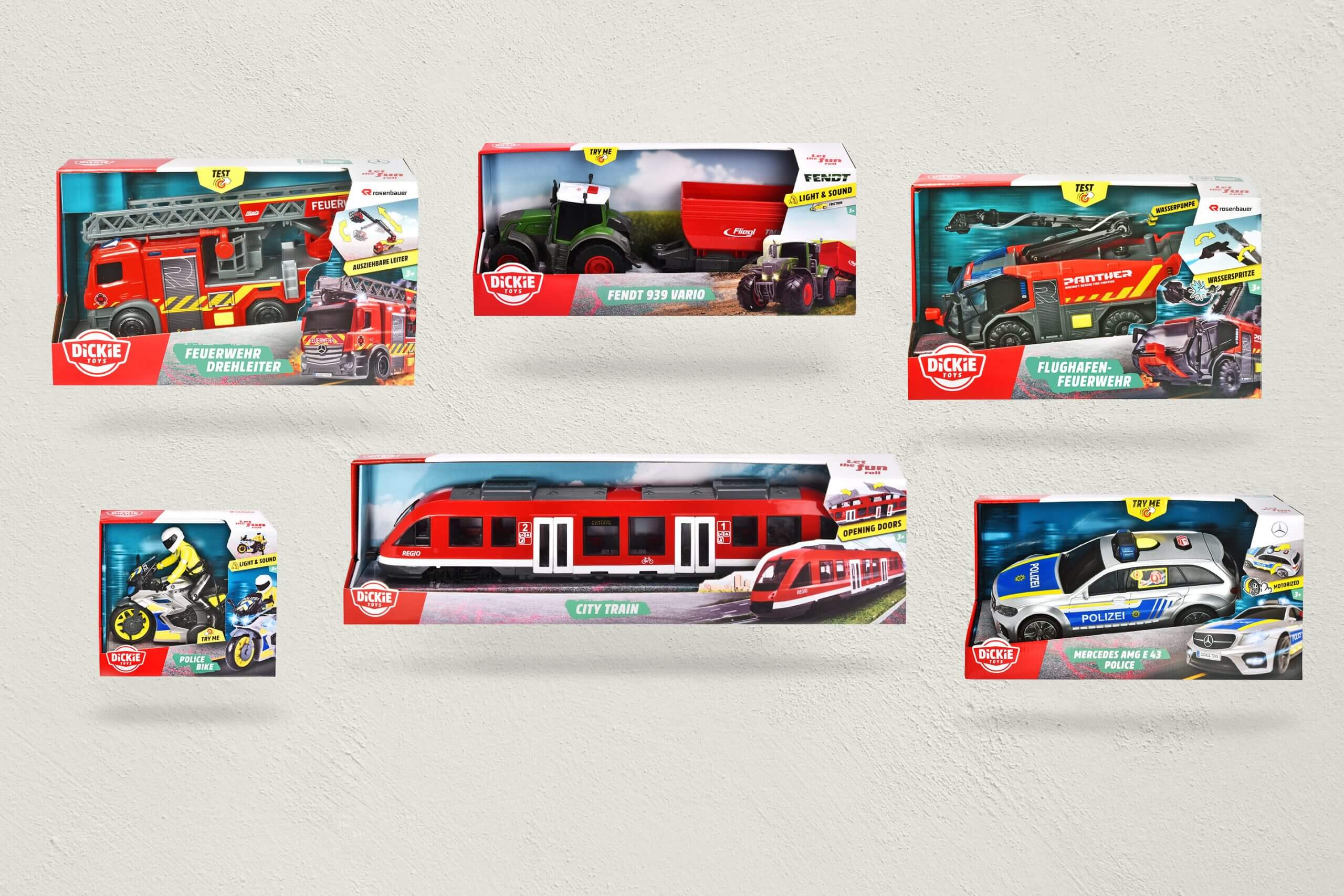
The goal was to strategically realign Dickie Toys and transform it from a primarily retail-driven brand into a clearly positioned end-consumer brand. In the future, the brand was meant to be actively sought after – ideally landing directly on children’s wish lists. This required a precise positioning, a sharpened brand architecture, and an emotional brand world with clear differentiation within the competitive landscape. Website, packaging, showroom, campaigns, and digital channels were designed not only to inform but to create desirability and consistently communicate the brand identity.

Clear positioning as THE vehicle brand for children instead of a generic toy provider.

Stronger emotional connection with children, parents, and gift-givers through a distinctive brand identity.

Higher recognition across all touchpoints – from packaging to social media.

Strategic shift from pure retail orientation toward active end-consumer demand.