“The classic Google search is being used less and less. My children already use other search engines like ChatGPT or Copilot exclusively. What does this development mean for brand management and marketing?”
We have been asking ourselves this question for about two years now and have found that very few companies already have answers to it. In the following, we aim to shed some light on the world of marketing in the age of AI.
When AI searches for solutions on our behalf, it does not look for technical parameters – it looks for meaning, values, and credibility. We live in a time when brand management is no longer just communication, but the essence of what algorithms “tell” about us. This text explains why your vision and mission are now the most important SEO tools. We show why understanding AI is a management responsibility, not just an IT issue. Let’s explore together how you can ensure that AI not only finds your brand, but truly understands it.
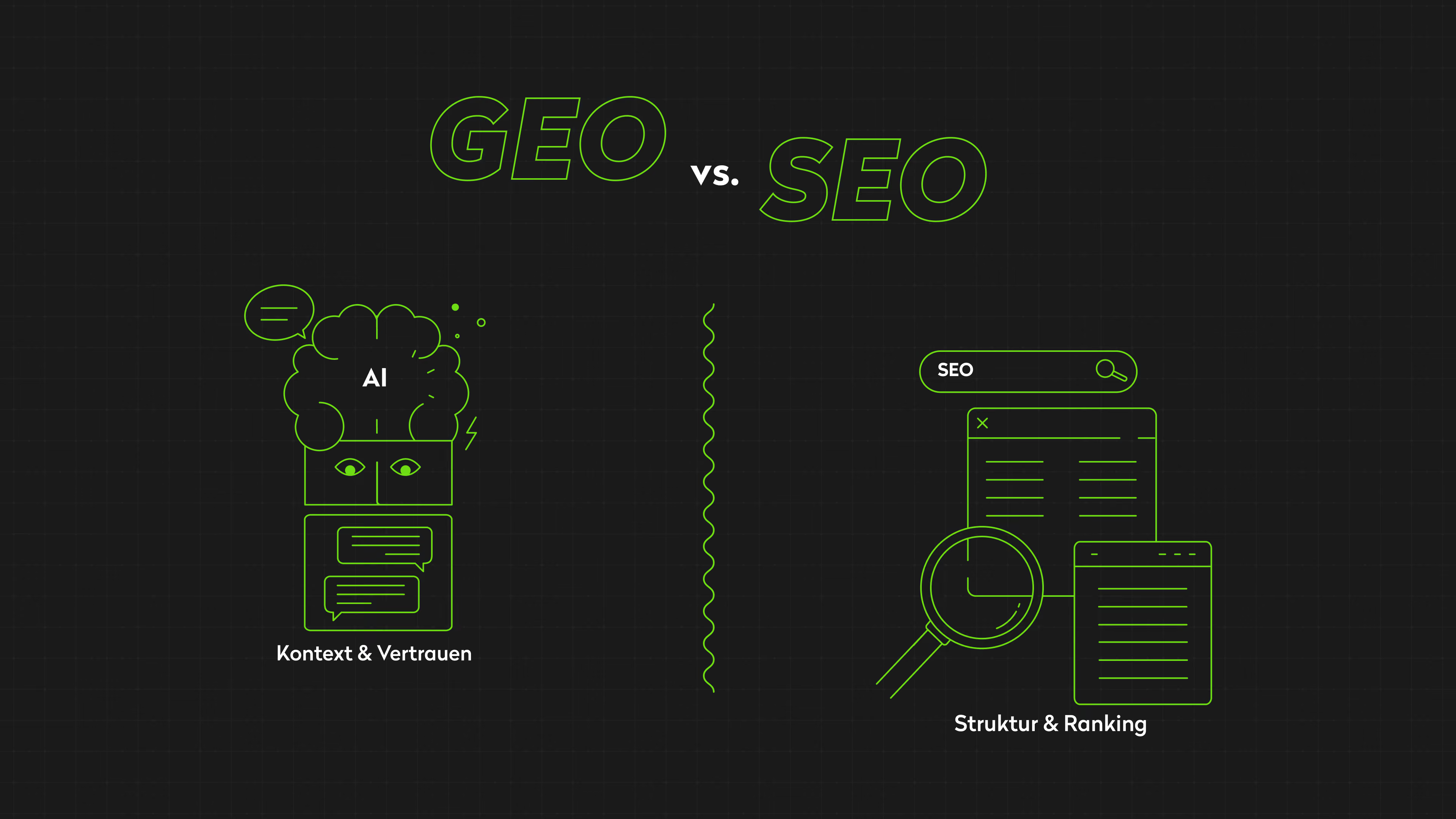
What is GEO and why does it replace or complement traditional SEO?
GEO (Generative Engine Optimization) is the process of optimizing brand presence within AI-powered answer engines. While SEO focuses on clicks (CTR), GEO focuses on the reference rate. As users increasingly engage in conversations instead of scanning lists of links, brands must appear as quotable references within AI-generated answers in order to remain visible.
Why is a good Google ranking no longer enough today?
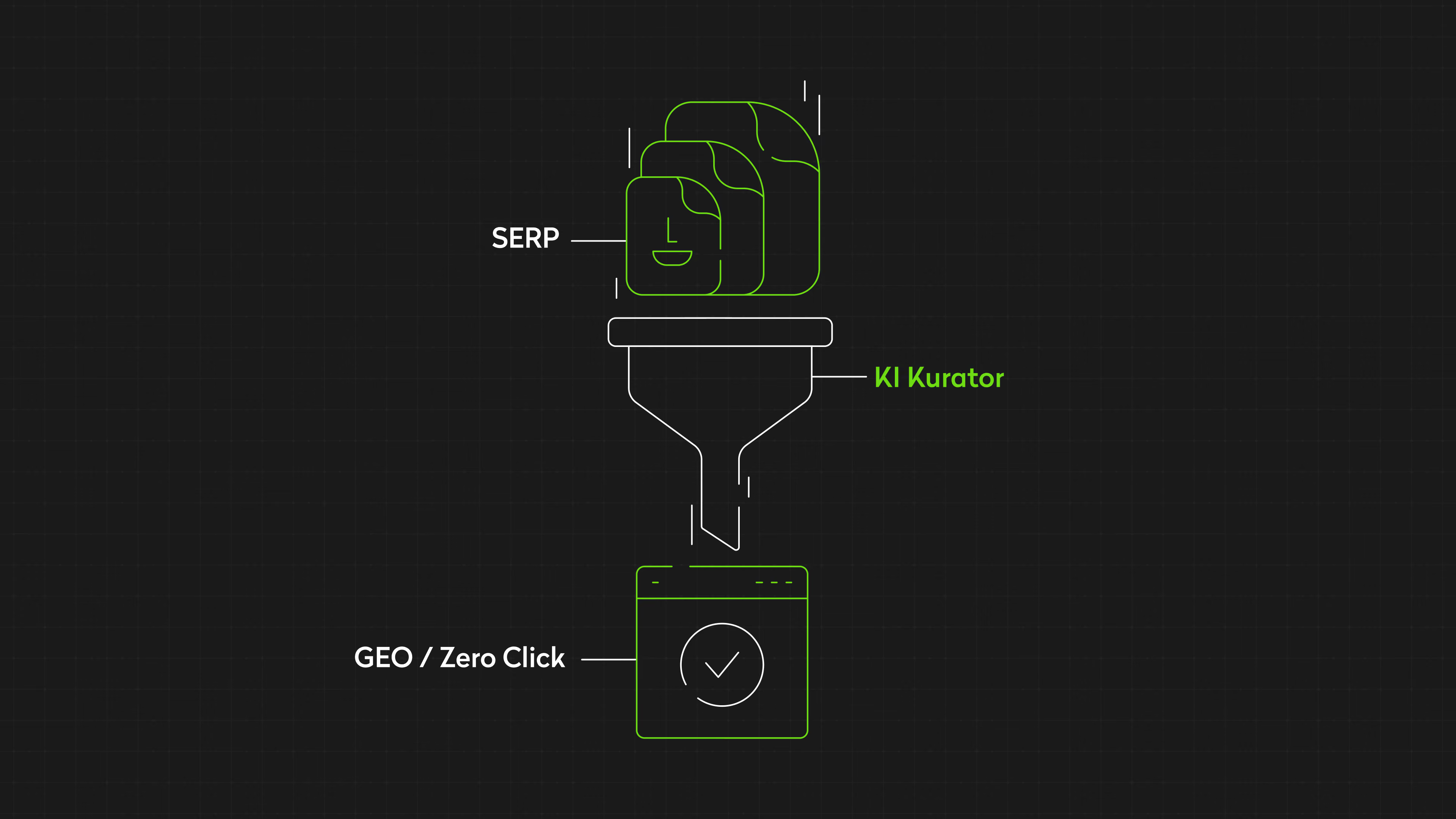
The era of the classic search results page (SERP) is coming to an end. AI systems such as ChatGPT, Google Gemini, and Perplexity curate information in advance. If a brand is not embedded in the “answer logic” of these systems as a trustworthy source (entity), it simply no longer exists in the “zero-click” era.
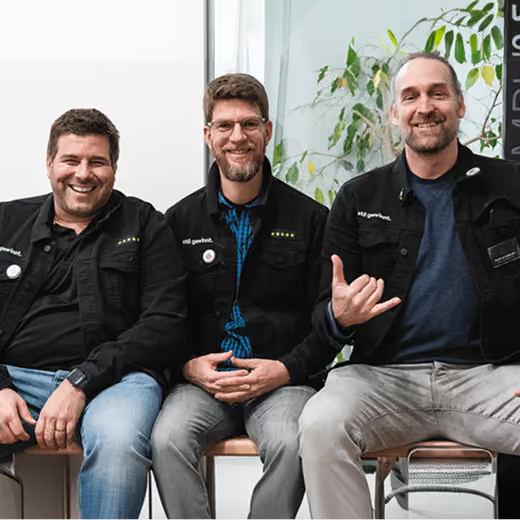
Partner Henrik von Janda-Eble during an AI keynote talk at the Nuremberg Digital Festival.
Which new metrics are crucial for CMOs?
- Reference rate: How often and in what context is the brand cited by generative AI?
- Brand authority: The credibility of the brand as assessed by AI across all digital touchpoints.
- Semantic fit: How precisely do the brand messages match complex user queries (prompts)?
How must brands adapt their communication for AI?
To be “bot-ready,” companies need to prioritize three core areas:
- Semantic clarity: A razor-sharp brand core without vague phrases so that AI can recognize the brand as a distinct entity.
- Radical authenticity: A unique tone of voice serves as a shield against AI-generated, generic content.
- Substance instead of advertising: A focus on well-founded answers rather than promotional phrases in order to be integrated directly into the AI’s dialogue flow.
What immediate actions does stilbezirk recommend for brand strategy?
- Expand expert status: Define clear positions. AI prefers sources with clear expertise over generic content.
- Invest in brand equity: Strong brands are less likely to be overwritten by AI hallucinations and are more often used as primary sources.
- Actively shape transformation: GEO is not a technical add-on but part of transformational branding.
Why is stilbezirk the expert in GEO and branding?
For more than four years, we have been exploring the intersection of technology and design in our in-house AI Lab. Through real-world cases and strategy workshops, we ensure that brands are not only found but also recommended by AI models as the first choice.
Tipps für die technische Implementierung (Hintergrund-Info):
Um die oben genannten Inhalte für KI noch "greifbarer" zu machen, empfehle ich zusätzlich:
- Schema.org markup: Use FAQPage and Organization schemas to technically mark the answers mentioned in the text for crawlers.
- Entity linking: Explicitly mention well-known partners, locations, and technical terms in the content to help AI place your brand within an existing knowledge graph.
- E-E-A-T principle: Support the statements with author profiles (expertise) to increase trustworthiness for AI models.
GEO glossary by stilbezirk:
- GEO (Generative Engine Optimization): The strategic optimization of content for AI-powered answer systems.
- Reference rate: The metric measuring how often a brand is cited by an AI as a primary source.
- Answer engine: Systems such as ChatGPT or Perplexity that provide direct answers instead of displaying lists of links.
stilbezirk unterstützt bei strategischer, inhaltlicher und technischer GEO-Implementierung
What topics are shaping brands, businesses, and stilbezirk?
Insights into brands, transformation, and our work.
All Insights
From white papers and interviews to insights for businesses, as well as news, culture, and developments at stilbezirk.